Digital twins finally make it to humans
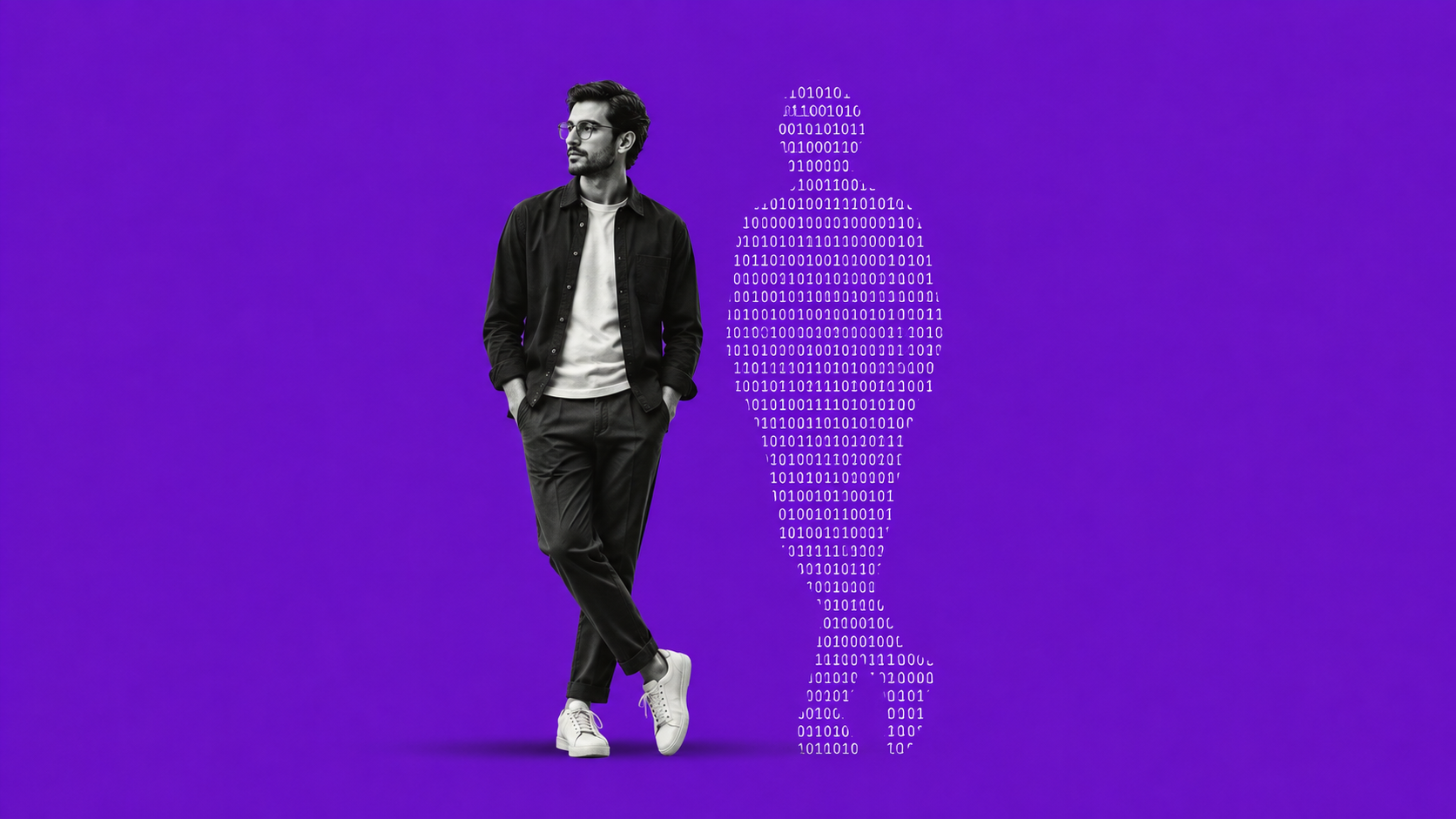
What industrial simulation can teach us about asking better questions of human research
At MICA, one of my favourite courses involved a game called MarkStrat. Each team was given a fictional company, some fictional money, and a very real sense of competitive ambition. We made decisions on product, pricing, communication and market strategy, entered them into a system, and then waited to see how the simulated market responded. Every team’s strategy affected the next market situation, and we had to build from there.
It was thrilling and eye-opening (also a bit sad as my team did not win).
Looking back, perhaps it is no surprise that I would eventually fall in love with the idea of digital twins, and place them at the heart of a business I would help build.
What are Digital Twins?
The concept itself is not new. Digital twins have existed for years in engineering, manufacturing, aerospace and other complex systems. The basic idea is powerful yet simple: create a digital representation of a real-world thing, feed it with relevant data, and use it to understand, test and predict what might happen before making a costly move in the real world.
Want to see how this machine design performs with a different material? Easy. Want to analyse fruit to see when they would go back and what ideal shipping schedules could be? Possible. Have a virtual factory that is constantly updated with real-time real data so predictive maintenance can happen? Yup.
In all these cases, the twin helps solve the same broad problem: reality is expensive. Real-world testing costs time and money, involves risk and has consequences. Simulation gives teams a safer space to ask: what if?
Enter: humans
What fascinates me now is that the same concept is finally being extended to humans - not as a replacement, but as a way to extend what we have already learned from them.
A consumer digital twin is not a fictional persona. It should not be a generic profile produced from loose internet knowledge. At its best, it is built from high quality real source material: transcripts, survey responses, behaviours, verbatims, choices, contradictions and context.
That means innovation teams can ask new questions of past research. How might this respondent react to a new proposition? Would this segment see a brand extension as credible? What barrier would show up first?
The caveat is one of data
The larger lesson from industrial digital twins applies beautifully here: the better the real-world data, the better the twin. You cannot simulate a machine accurately if you know nothing about how it works or can't measure any of its parameters. Similarly, you cannot simulate a consumer meaningfully if you have no real understanding of what they have said, felt or done.
It's important to keep that in mind: Digital twins cannot produce insight out of thin air. They need a base - research, context and the messy, human material that makes a response worth paying attention to.
I find this is the same reason 'human' twins are so exciting. For years, companies have treated consumer research as something that answers one question at one moment in time. Digital twins allow that research (and respondents) to become more alive. They allow past work to be questioned again, connected to new context, and used to explore possible futures.
Just like manufacturing digital twins provides suggestions, so too with human digital twins - they don't provide answers as much as possibilities that a human with skin in the game can take ahead. But for the first time, we can give human judgement a simulation environment.
And that changes the quality - and quantity - of questions we can afford to ask.